Document
Keep your attention on the care encounter.
Record the conversation and clearly state your own findings and agreed actions.
Hysio Gynaecology
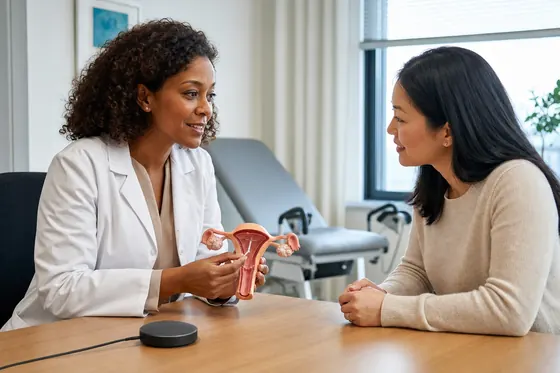
After a consultation or results discussion, you say what the client told you and what you examined. Hysio keeps menstrual history, ultrasound result and management plan each separate.
A structured report in your professional terminology
From care encounter to report
Hysio turns spoken information into a report. Choose the report format for the conversation you are documenting.
Document
Record the conversation and clearly state your own findings and agreed actions.
AI assistants
You stay in control of what gets saved.
In your workday
More attention for the conversation, less typing afterwards.
State relevant information, your own findings and agreed actions aloud so you can find them in your report.
The information appears under the headings of your chosen report format, so you can review each section.
Check names, facts and agreed actions. Edit the text where needed before using the report in your records.
Try it yourself
Try Hysio free for 14 days or schedule a personal demo.
For your team
Quick answer
For gynaecological and obstetric care, with a dedicated place for history, examination and the client's choices.
Read how Hysio works in a gynaecology consultation, an intake or a conversation about the result.
For a presenting request involving a pelvic examination, Hysio Gynaecology Consultation fits a first or follow-up contact, or Hysio Gynaecology Intake when the questioning is more extensive. Both formats organise menstrual history, the reason for the visit and the physical examination separately from your own findings. Gestational age and obstetric history are only included when you state them during the contact. You choose which format best fits the length and depth of the conversation. [2] [3] [4] [5] [6] [1] [18]
Hysio puts gestational age and obstetric history under their own headings, separate from your physical examination and your conclusion. Only what you state during the contact goes into the record; Hysio does not fill in gravida, para or cycle status itself. Menstrual history and previous pregnancies thus remain traceable to the moment you mentioned them, and you check the organisation before you save the report in your own record system. [2] [1] [11]
An ultrasound result appears as a distinct part of the report, separate from your own history and from your professional conclusion. If you mention the result during the contact, Hysio records the measured values and their origin as you state them; a result that is not mentioned stays empty. This keeps it visible to you and your team whether an ultrasound finding comes from the current contact or from a report provided earlier. [11] [1] [2]
Obstetric history counts as medical personal data and stays within the care encounter for which the patient gave consent. Hysio only includes what you state and does not share anything automatically with third parties. You decide which information goes into the report and who gets to see it afterwards; before sharing, always check whether that fits the purpose for which the patient gave consent. [9] [13] [1]
The price of Hysio does not depend on the subject of a contact, so not on menstrual history separately either. Starter costs €20, Pro €40 and Unlimited €80 per month excl. VAT, with two months free on yearly billing. All rates and the current terms are on the pricing page; there you can also see what usage each plan allows. [7] [8]
Your own template or way of working fits when you want to record a pelvic examination in a format that Hysio does not yet offer, or when your practice already uses a fixed structure that you do not want to change. Hysio organises menstrual history, findings and follow-up, tied to the source, within the five documentation formats for gynaecology; if none of them fits your contact, your own route remains the logical choice. [1] [11] [18]
After the report is created, read back whether gestational age exactly matches what you said during the contact, and not a value that Hysio would have derived itself. Do the same for menstrual history and obstetric history: a date or week is only correct when you recognise it from your own words. Only after this check do you save the report definitively in your record. [1] [18] [10]
Because Hysio creates the report after the contact, you do not need to take notes about the ultrasound result during the conversation. You stay present with the patient and simply say your findings and explanation out loud; Hysio organises that afterwards under the right heading. That way you keep eye contact and room for questions, while the documentation only asks for your attention after the conversation. [1] [2] [11]
Hysio only records obstetric history as you state it during the contact, without adding its own gravida, para or risk assessment. Other tools sometimes automatically fill in reference values or earlier record data; Hysio deliberately does not. You get a source-bound report in which history, the current examination and your own conclusion stay separate, so that you keep the professional interpretation. [1] [2] [11]
Start with one defined contact in which you state menstrual history out loud, for example during a regular consultation. Hysio turns that into a text that you place directly next to your own notes and correct where needed. Only expand to intakes or examination reports once you are familiar with how Hysio organises sources and which corrections you keep coming across for menstrual history and gestational age. [8] [9] [1]
Hysio Gynaecology Consultation fits a single outpatient, telephone or digital conversation: one contact moment in which history, physical examination, a cited examination report, your conclusion and the management plan come together. The format is less suitable for an extensive first assessment with referrer information; Hysio Gynaecology Intake fits that better. Menstrual history and pelvic examination are included as soon as you mention them within that one contact. [2] [1] [18]
Hysio Gynaecology Intake fits an extensive first assessment, in which the presenting request, obstetric history, referrer information and examination sources stay separate alongside the follow-up discussed. For a short follow-up contact or a single results discussion, the format is heavier than needed; Hysio Gynaecology SOAP Note or Gynaecology Consultation fits better there. Menstrual history and previous pregnancies are only noted when you state them during the intake. [3] [1] [18]
Hysio Gynaecology Examination Report fits a spoken examination or ultrasound dictation specifically: method, completeness, findings, measurements such as gestational age and your own conclusion stay separate from cited external sources. The format does not fit a regular history-taking conversation without an examination; Hysio Gynaecology Consultation and Gynaecology Intake are intended for that. Ultrasound results are included as soon as you mention them during the dictation, never as Hysio's own interpretation. [4] [1] [18]
Hysio Gynaecology Procedure Report fits the dictation directly after a procedure: operators, execution, findings, complication status, any specimens and the follow-up stay visibly separate. For a regular consultation, a results discussion without a procedure or a short check-up, this format is too extensive; Hysio Gynaecology Consultation or SOAP Note fits better there. A pelvic examination before a procedure belongs in the preceding contact, not in this report. [5] [1] [18]
Hysio Gynaecology SOAP Note fits a short telephone or outpatient follow-up contact, in which you put the patient's report, your findings, your evaluation and your plan under the fixed sections Subjective, Objective, Assessment and Plan. For an extensive first intake or an examination dictation, the format is too compact; Gynaecology Intake and Examination Report are intended for that. Gestational age is only included when you mention it during the short contact. [6] [1] [18]
For a single consultation or results discussion in which menstrual history comes up, Hysio Gynaecology Consultation fits or, for a short follow-up contact, Hysio Gynaecology SOAP Note. If it concerns an extensive first assessment with referrer information, Hysio Gynaecology Intake fits better. The choice depends on the length and purpose of the conversation, not on menstrual history itself; every format only records that information as you state it. [1] [2] [18]
Hysio Gynaecology Intake is intended for situations where a pelvic examination is part of a first, extensive assessment with the presenting request, history and referrer information. If it concerns a short follow-up contact in which you only discuss the outcome of an earlier pelvic examination, Hysio Gynaecology SOAP Note fits the compact layout better. The difference lies in the scope of the contact: a broad first assessment calls for the intake, a short check-up does not. [1] [2] [18]
After a results discussion, record gestational age as the date or week you state, together with the source it is based on, for example an earlier ultrasound. Hysio does not add a gravida, para or risk value that you do not mention yourself. If the result follows on from a procedure, gestational age belongs in the procedure report; in a regular results discussion it belongs in the consultation or intake report. [1] [2] [18]
A handover should contain the ultrasound result as you named it during the contact, including the source you rely on and the follow-up you agreed. Hysio does not add its own interpretation or risk assessment to what you hand over. Before sharing, check whether the recipient has consent and needs the report for the further care pathway; only then does the result belong in the handover. [1] [2] [18]
Hysio puts obstetric history under its own heading, apart from your physical examination, cited examination reports and your own conclusion. What the patient tells you, what you observe and what you assess thus stay recognisably separate sources. If you also mention information from a referrer during the contact, it gets its own source attribution; Hysio never mixes this together without marking it. [1] [2] [18]
Describe obstetric history as the patient tells it: number of pregnancies, births and any complications, in the words of the conversation. Hysio puts this under the history heading, separate from your physical examination and your conclusion, and does not add a gravida or para notation that you do not state yourself. If you also mention menstrual history, it gets its own place next to the obstetric history, not woven into it. [1] [18]
For menstrual history, Hysio notes who provided the information: the patient, a relative who joined the conversation, or a referrer who sent details along. That source label stays visible next to the content, so that you can later check whether a cycle detail comes directly from the patient or was passed on by a third party. If the source is missing, Hysio leaves the field empty instead of noting an assumption. [1] [13] [18]
For a pelvic examination, state the instrument, the unit and the time of measurement out loud, for example during palpation or a specific test. Hysio records those three elements verbatim under the examination heading, without interpreting the measurement itself or testing it against a reference value. The professional meaning of the outcome, for example whether a finding is abnormal, remains your assessment and comes back separately in the conclusion. [1] [18]
When discussing a result, also mention the gestational age it is based on, so that Hysio can place both under the same heading with the date and the source. Without that link, the result stays separate from the gestational age. You put your own assessment of what the result means for the follow-up separately in the conclusion, not mixed with the source data itself. [1] [18] [13]
No. Hysio does not assess images and does not establish a conclusion about an ultrasound; it only records what you say about the ultrasound result or what is in a report provided. The interpretation of the imaging, including abnormal findings in a pelvic examination or gestational age, remains entirely with you. Hysio organises the result under the right heading and leaves the medical interpretation to the gynaecologist. [11] [10] [18]
Hysio uses the professional terms you state yourself, such as gravida and para, menstrual history or previous caesarean sections, and does not rewrite them into general language. If you use an abbreviation your team knows, Hysio records it verbatim under obstetric history. Preferably say abbreviations that are unclear to colleagues in full, so that the report stays readable without spoken explanation for everyone who consults it later. [1] [18]
If it is not the patient but a relative or referrer who provides the menstrual history, Hysio notes that as a separate source role next to the content. This keeps it visible whether a detail comes directly from the patient or was passed on by someone else. Record consent to share this information separately before you share the report with others, especially when a relative gave sensitive information on behalf of the patient. [1] [13] [18]
For a multidisciplinary meeting, the team needs the findings of your pelvic examination with the source and the moment of examination, plus the follow-up you agreed. Hysio makes visible which discipline provided which part, so that gynaecology, midwifery or another specialty recognise one another's contributions. Keep the text free of jargon that only your own team understands, so that other disciplines can follow the report without explanation. [1] [2] [13]
One example is a follow-up consultation in which you mention the gestational age based on an earlier ultrasound, together with obstetric history and the findings of that contact. With voice-driven admin, Hysio organises this under separate headings, without adding a diagnosis or risk assessment that you did not state yourself. [1] [18] [2]
Limit a handover about an ultrasound result to the source and the purpose: what the result was, what it is based on and why the recipient needs it. Hysio records these details as you state them and does not add its own conclusion. Let the recipient trace the menstrual history and obstetric history themselves from the full record instead of repeating everything in the handover. [11] [9] [13] [18]
No. Hysio organises the ultrasound result you state under the right heading, but does not establish a diagnosis, indication or treatment advice. The medical meaning of an abnormal finding in a pelvic examination or gestational age remains entirely your assessment as a gynaecologist. Hysio keeps source information, findings and your conclusion recognisably separate, so that you record the diagnosis separately and visibly as your own professional judgement. [10] [1] [18]
You check the report before it is saved, including the obstetric history section. Hysio creates a text from what you have stated, but does not take over any professional decision about its accuracy or completeness. Read gestational age, previous births and menstrual history back next to your own notes and correct any discrepancies before you save the report definitively in your record. [1] [10] [13]
If menstrual history is missing from the contact, Hysio leaves that part of the report empty instead of inventing a value. Flag it yourself as not yet discussed, so that your colleague or you can still ask about it at a next contact. Do not add a date or cycle status later without the patient having actually stated it during a recorded contact. [1] [10] [18]
No. Hysio is not intended for triage or an acute assessment of a pelvic examination; it only records afterwards what was said and done during a contact. In an acute situation you assess and act yourself first, and then use Hysio to record the contact, tied to the source. Gestational age and obstetric history are then included as you state them after the acute assessment. [10] [9] [18]
Only someone to whom the patient has given consent, or someone with a clear role within the care pathway, such as a referrer or a colleague in the same team, may receive information about gestational age. Always check purpose and recipient when sharing, even when it is a short handover. Hysio does not decide who gets access; that choice and the responsibility that comes with it stay with you. [9] [13] [1]
No. Hysio puts the ultrasound result under its own heading in the report, but does not draw up a treatment plan, surgical plan or follow-up policy itself. The follow-up that appears in the report is exactly what you as a gynaecologist stated during the contact. Pelvic examination and menstrual history can be included as context for the result, but the management decision itself always remains your professional decision. [10] [11] [18]
Voice any doubt about obstetric history out loud, for example when a patient is not sure of an earlier gestational age. Hysio records that uncertainty verbatim in the report instead of turning it into a definite value. This keeps it visible to you and your team which details are confirmed and which still need checking, for example at a next contact or with the referrer. [1] [18] [10]
If the patient and a report provided contradict each other about menstrual history, Hysio keeps both versions separately instead of merging them into one. Each statement gets its own source attribution, so that you as a gynaecologist can assess which information leads the follow-up. If you resolve the contradiction yourself during the contact, say so, so that Hysio can record the final version. [1] [13] [18]
State medication with its name, dose and time of use, and note findings of a pelvic examination with the instrument used and the measured value. Hysio records both verbatim with their source; this admin with AI does not add an interaction, dose advice or medical meaning. Assessing whether medication or an examination finding is relevant to the follow-up remains your task as a gynaecologist and comes back separately in your conclusion. [1] [18] [10]
Read the report back and compare gestational age with the date or week you mentioned during the contact, not with an estimate that Hysio would have added itself. Do the same for the pelvic examination and ultrasound result: only when the source text is correct do you save the report definitively. If you discover an error, correct it before the report ends up in your record system. [1] [9] [10] [13]
State gestational age clearly during the contact, together with the source and the follow-up discussed, so that Hysio includes it completely in the report. Agree within your team who reads the handover before it is shared, and which information the recipient actually needs. You only include pelvic examination and obstetric history in the handover when they are relevant to the further care pathway. [11] [9] [13] [2]
Agree within your team under which fixed heading an ultrasound result appears and which shared terms you use, so that reports by different colleagues look alike. Also agree who approves a report with an ultrasound result before it goes into the record. Menstrual history and gestational age follow the same agreement, so that the whole team keeps the same structure and choice of words. [1] [2] [11]
Assessment of the Hysio report structure centres on one defined type of contact, for example a regular consultation in which obstetric history and pelvic examination come up. Your free trial of fourteen days costs nothing and does not require a credit card, so you can assess how the text looks without any obligation. Collect your corrections to the ultrasound result and menstrual history, and only assess other report structures once the trial works well enough for you. [8] [9] [1]
Check the headings and the order in which menstrual history appears in the report against the agreements of your own practice or department, and adjust them together with your team where needed. Gestational age and obstetric history follow the same local structure. Have the colleague responsible for the reporting standard check the first adjusted reports, so that deviations from the local agreement are noticed early. [11] [1] [18]
First state the reason for the examination and what the client told you. Then describe what you saw and felt, with the finding for each part. That is voice-driven reporting: Hysio puts it under the headings of the examination report. Hysio does not fill in anything you do not mention. [1] [18] [2]
Measure for yourself how much time you spent writing up a report with gestational age, before and after using Hysio, for example over a number of comparable contacts. Hysio does not promise a fixed percentage of time saved; the effect depends on the length of your contacts and how much you still adjust yourself. Discuss the outcomes in your team and give the quality of the report priority over speed alone. [1] [11] [8]
The free trial lasts fourteen days, without a credit card. During that period, test how Hysio organises an ultrasound result, tied to the source, and check who reads the text. The current terms and the information after the free trial are on the pricing page and in the Privacy Policy. [8] [7] [9]
See the pricing page for Hysio's plans and read the privacy and legal information for the agreements about health data. An obstetric history or gynaecological finding has no separate price within the platform. Keep the commercial terms separate from the professional content: you assess what you record and which information is needed for the contact concerned. [7] [9] [10]
Agree within your team which term and which abbreviation you use for menstrual history, and repeat it consistently during every contact so that Hysio adopts the same choice of words. Record the same agreement for obstetric history and pelvic examination, so that reports by different gynaecologists stay readable for the whole team. If you deviate from the team agreement, say so explicitly so that colleagues recognise the deviation. [1] [11] [18]
Split a complex case around a pelvic examination into separate contacts or parts: history, the examination itself, cited ultrasound results and your own conclusion, each under its own heading. Hysio organises gestational age and obstetric history separately from the examination itself, without automatically combining them into a new conclusion. You connect the parts into a coherent picture and record that connection yourself in the report. [1] [18] [2] [10]
Hysio creates the report. You remain responsible for what you save in the record.